Last week (3rd Feb), Dr Lucy Gilliam, Co-Executive Director and Founder at One Planet Port, spoke at the 3rd European Blue Economy Conference in Brussels on the panel “Europe’s Ports: Gateways to Green Growth, Innovation and Competitiveness.” The discussion focused on the EU’s emerging Ports Strategy and how it can shape the future of Europe’s port system.
Gilliam joined Roberto Alberti (CFO and Chief Corporate Officer, Costa), Turi Fiorito (Director, European Federation of Inland Ports), Danique De Jonge (Senior Policy Advisor, European Sea Ports Organisation) and Isabelle Ryckbost (Secretary General, European Sea Ports Organisation) to examine the pivotal role of ports as clean energy hubs, digital gateways, and enablers of circularity—and how EU policy frameworks can support this transition.
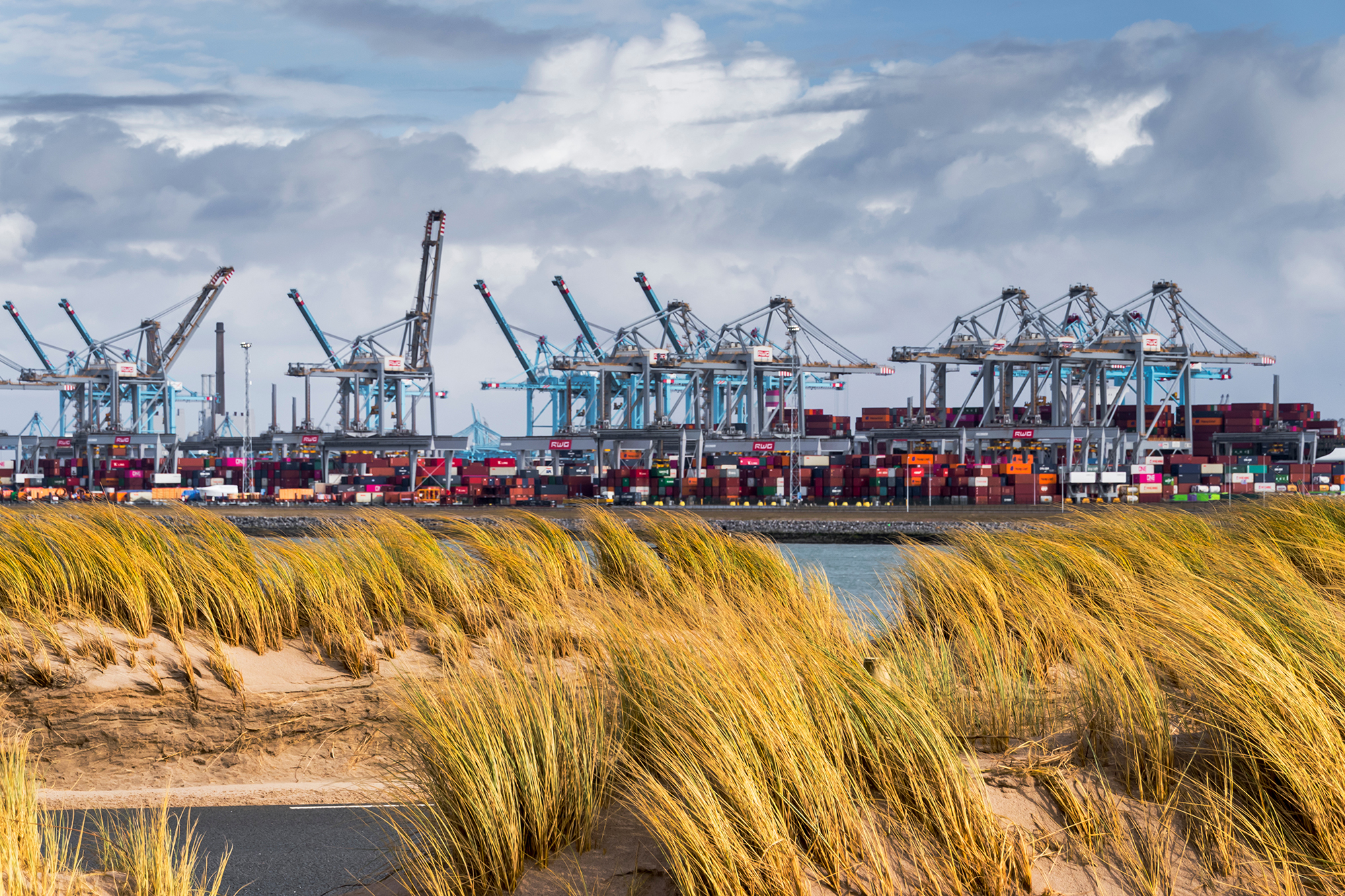
Ports are often described as the “backbone of the economy”—gateways for trade, energy, food, and materials. But as Gilliam shared, they are also places where people live, work, and breathe. Speaking from Rotterdam, Europe’s largest port, she reflected on what it means to grow up next to heavy industry, and what citizen science monitoring has revealed about the air quality and pollution communities experience daily.
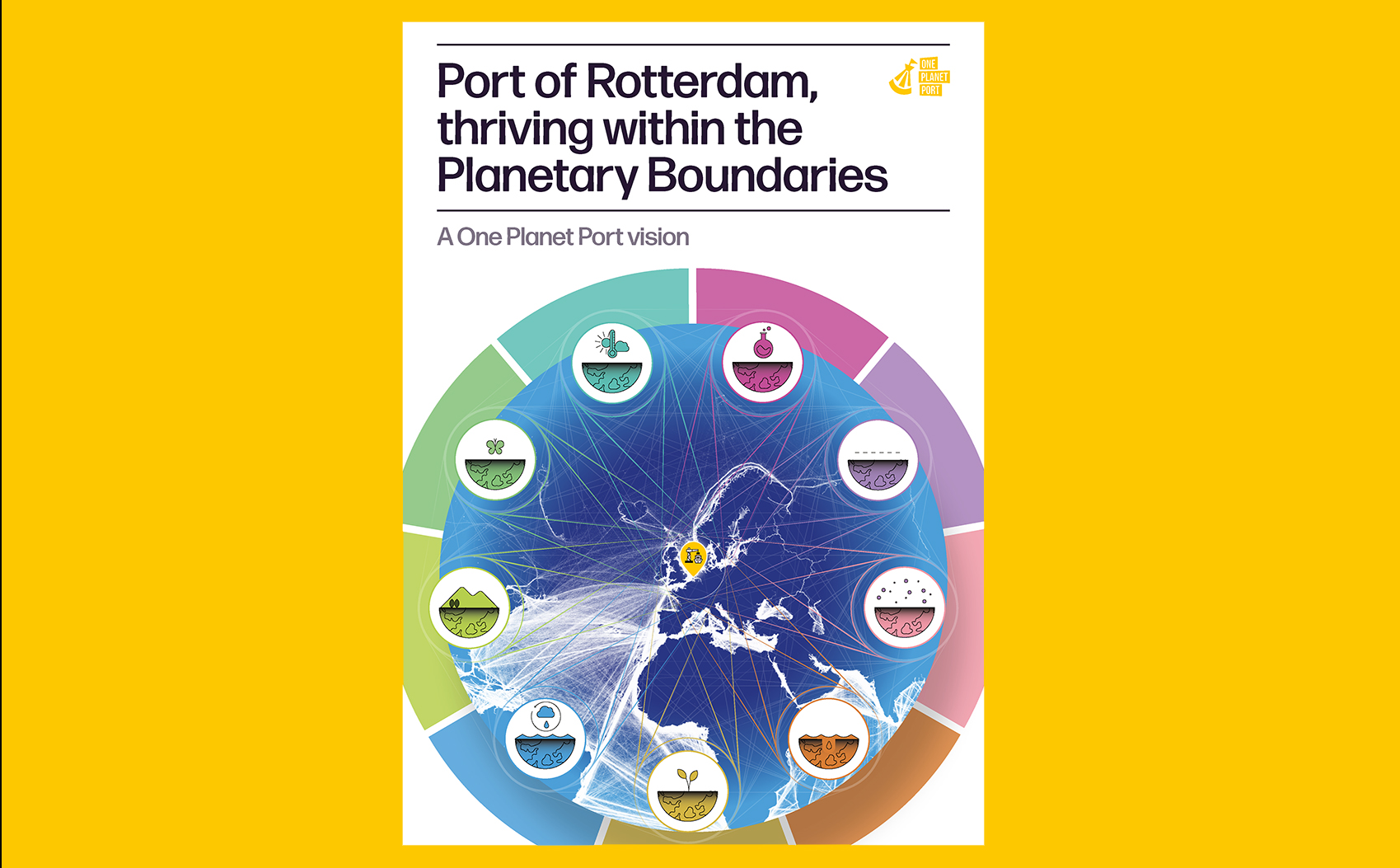
If Europe’s Ports Strategy is to deliver long-term competitiveness and sustainability, it must go beyond carbon targets. Ports sit at the intersection of climate, biodiversity, chemical pollution, and nitrogen cycles. True competitiveness in the 21st century means operating within all planetary boundaries, not just improving carbon accounting.
During the panel discussion, Gilliam highlighted three priorities for regenerative port transformation:
- Zero-pollution infrastructure now. Shore power for all vessels at berth, electrified port operations, strong waste reception facilities, and a ban on open-loop scrubbers. The technology exists—implementation is a political and investment choice.
- A just transition with real community power. Ports must retrain and protect workers while ensuring communities have meaningful decision-making authority. Transparency in environmental monitoring and democratic governance are essential to legitimacy and long-term success.
- Rigorous sustainability criteria for alternative fuels. No fuel should receive public support without full lifecycle assessment across climate, nitrogen, biodiversity, chemical pollution, and community health. A fuel cannot be considered “green” if it solves one problem while creating three others.
Rotterdam, as Europe’s largest publicly owned port, has the potential to set a powerful precedent. What happens in major European ports sends signals globally—about which fuels are supported, which technologies scale, and which practices are acceptable.
The conversation in Brussels made one thing clear: Europe’s Ports Strategy will determine whether ports become anchors of extraction—or gateways to regeneration.
At One Planet Port, the choice is clear.